A Homeowner's Guide to Eco Friendly Flooring in the San Fernando Valley
Updated on: September 28, 2026
Author: The Carpet Store team
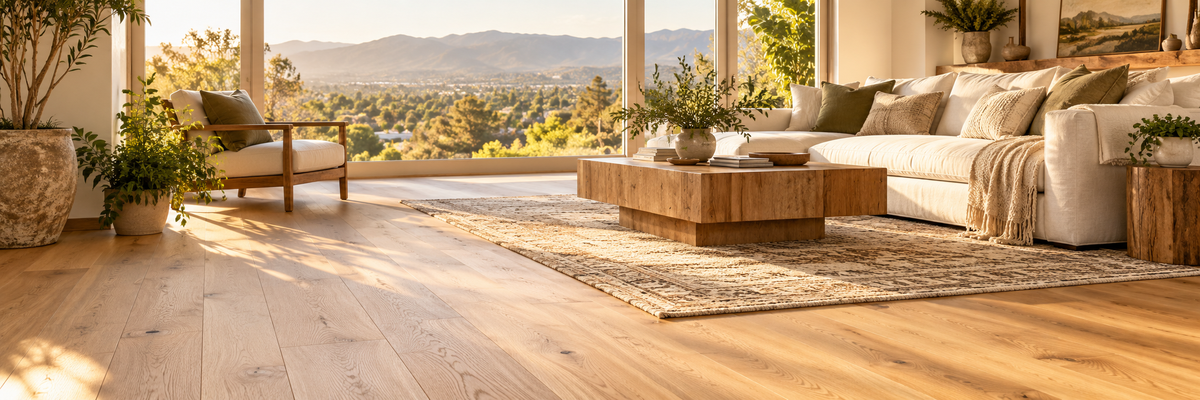
If you’re looking for flooring that’s better for your home and the environment, you have more options than ever. The right choice should also be able to handle everyday life in the San Fernando and Santa Clarita Valleys.
Our family at The Carpet Store has been helping local homeowners choose flooring from our Sylmar showroom since 1979. Over the years, we’ve noticed more customers asking about eco-friendly materials and what makes one flooring option more sustainable than another.
In this guide, we’ll walk you through what to look for, the eco-friendly flooring options we carry, and which choices make sense for different rooms in your home. We’ll also cover typical costs and answer some of the questions we hear most often.
Want to see the options for yourself? Stop by our showroom on Foothill Blvd or contact our team.
Why Does Eco Friendly Flooring Matter Here in the Valley?
Eco friendly flooring keeps waste out of landfills, cuts down on chemicals in your indoor air, and lasts longer, and all three matter even more in our hot, dry corner of Los Angeles County. A floor is one of the biggest surfaces in your home, so the material you pick has a real impact on how your house feels and how much you end up replacing over the years.
Think about a typical summer in the northeast Valley. Afternoons in Sylmar, Sun Valley, and Santa Clarita often climb past 100 degrees, so windows stay shut and the AC runs for months. During fire season, smoke drifting down from the San Gabriel Mountains keeps homes closed up even longer. That means the same indoor air circulates again and again.
According to the EPA's guide to VOCs and indoor air quality, building materials and furnishings are among the everyday sources of volatile organic compounds. Choosing low-emission flooring is one of the simplest ways to keep that air cleaner.
California also has some of the strictest rules in the country. The California Air Resources Board's composite wood program limits formaldehyde emissions from products like the plywood and fiberboard found inside many laminate and engineered floors. In our experience, local homeowners like knowing that extra layer of protection is already built in.
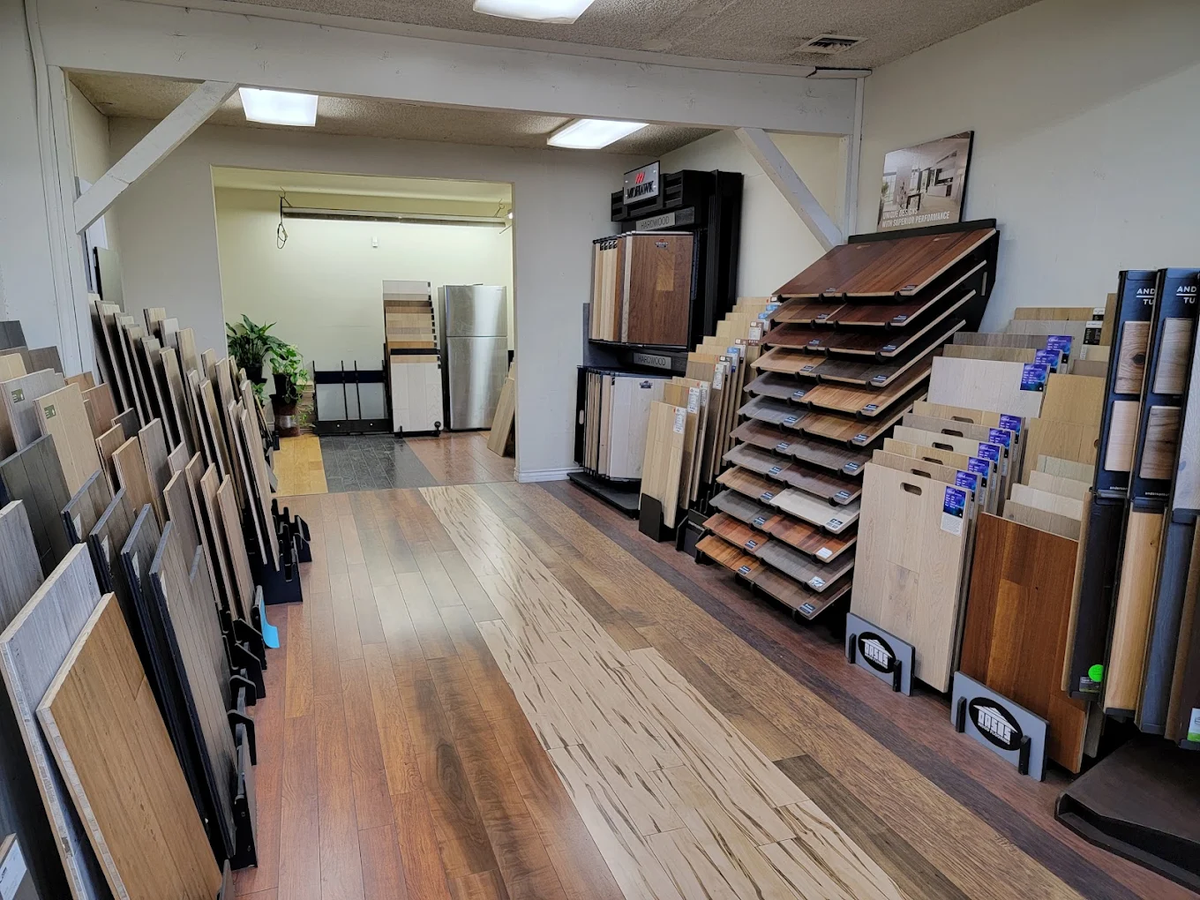
We see this interest from families all over our area, from ranch homes near Olive View in Sylmar to larger properties in Granada Hills and busy households near CSUN in Northridge. Most people are not looking for a perfect green floor. They want a smarter choice that still looks great and holds up to kids, pets, and heat.
What Makes a Floor Eco Friendly? Start With These Five Things
A floor earns the eco-friendly label through a mix of what it is made from, what it releases into your home, and how long it lasts. No single product checks every box, so it helps to know what matters most to you. Here are five things we recommend considering:
1. Recycled or Renewable
Look for floors made from materials that already existed or that grow back quickly. Some carpet fibers come from recycled plastic bottles, some carpet uses plant-based ingredients from corn, and engineered hardwood uses a thin layer of real wood over a sturdy core so each tree goes further.
2. Low Emissions for Better Indoor Air
Check for third-party certifications that test what a floor releases into the air after installation. The two you will see most often are:
- FloorScore, which certifies hard surface flooring for low VOC emissions.
- Greenguard Gold, which sets even stricter chemical emission limits and is often used for schools and healthcare spaces.
Ask us to show you which samples carry these labels. It is an easy way to compare two floors that otherwise look the same.
3. How Long It Will Actually Last
The greenest floor is often the one you do not have to replace. A floor that looks worn out in five years sends a lot more material to the landfill than one that lasts twenty. Scratch resistance, stain protection, and warranty length all tell you how long a floor is built to go.
4. Where and How It Is Made
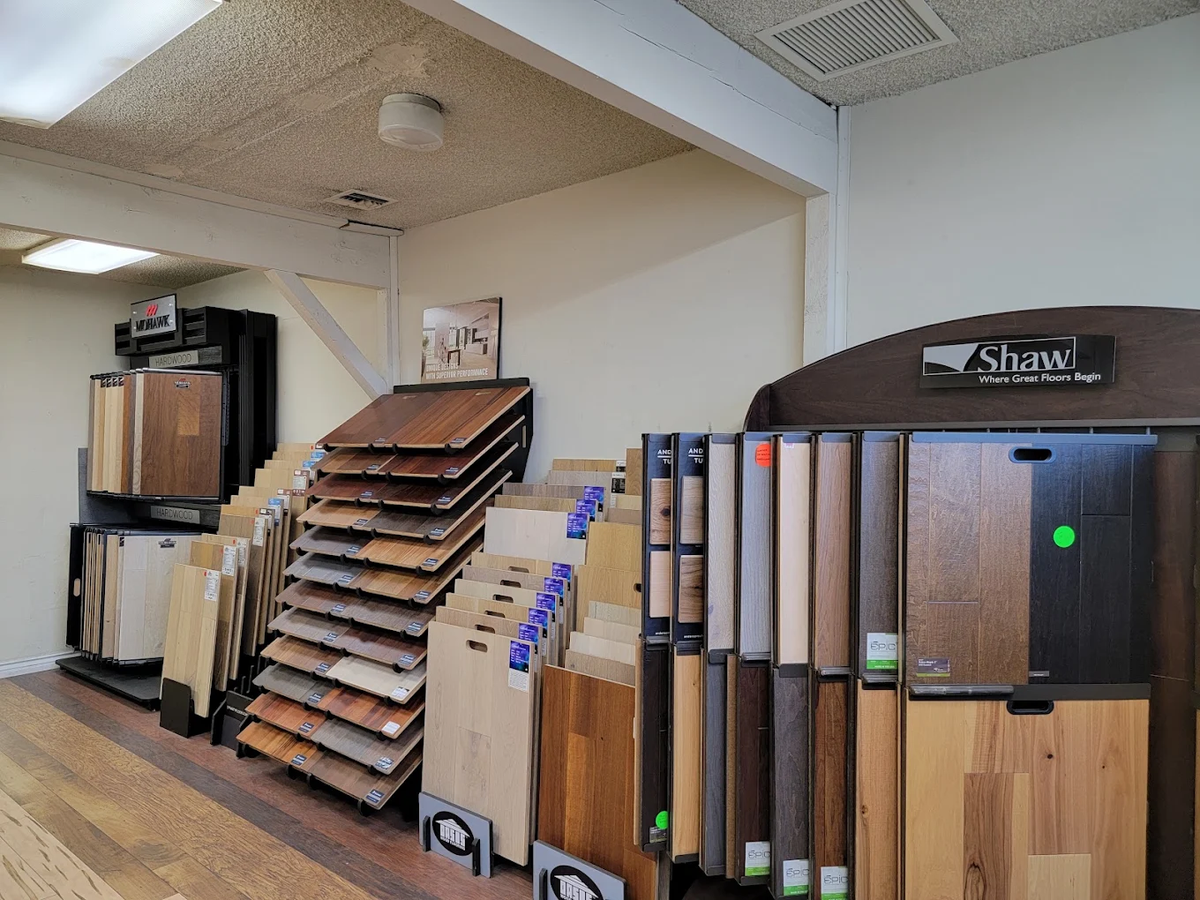
Floors made in the USA travel fewer miles to reach Southern California, which trims the carbon footprint of shipping. Several of the Mohawk lines we carry are made domestically, and some manufacturers also support tree-planting programs to balance out the wood they use.
5. What Happens When You Are Done With It
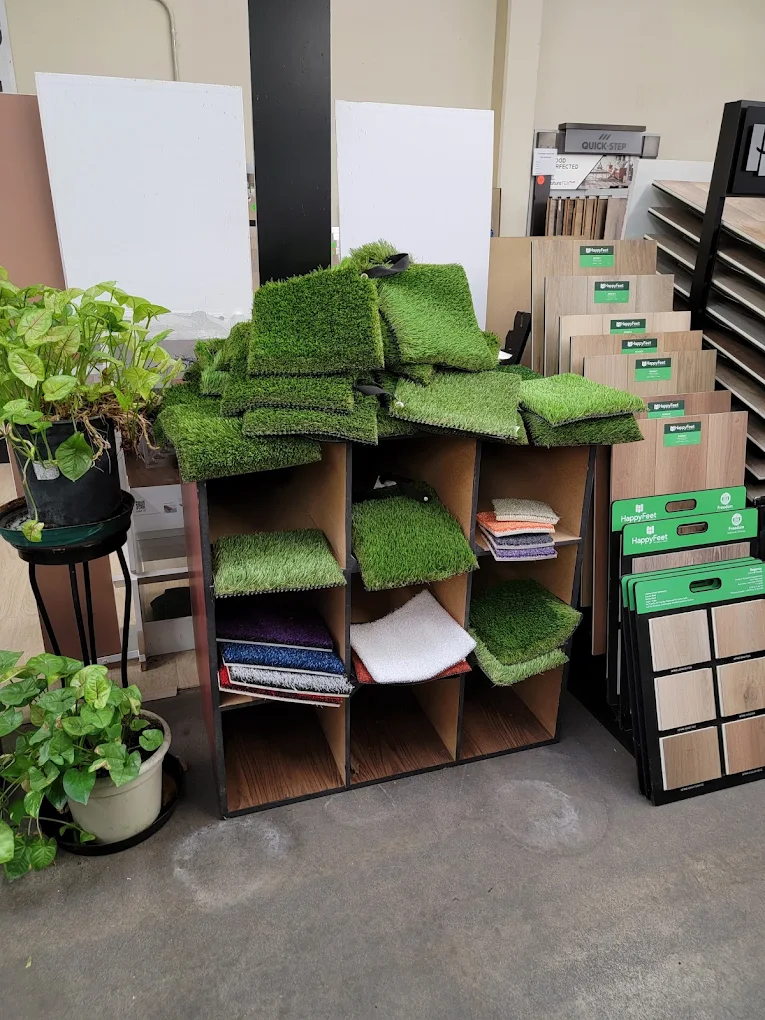
Think ahead to the end of your floor's life. Some materials can be refinished instead of replaced, and carpet tiles let you swap out a single damaged square. For smaller rooms, our carpet remnants are a budget-friendly way to put leftover rolls to good use instead of letting them go to waste.